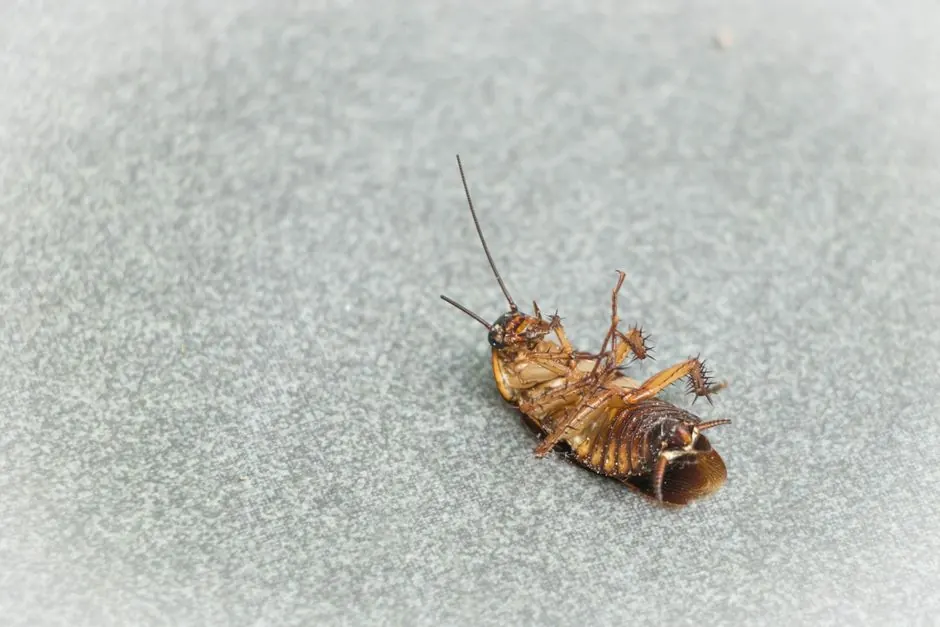
A seasonal pest control checklist for Minnesota is essential for maintaining a pest-free home throughout the year. This checklist helps homeowners identify and mitigate pest risks associated with each season.
Each season presents unique challenges for pest control in Minnesota. Understanding these challenges can help you implement effective pest prevention strategies tailored to the specific time of year.
Why Use a Seasonal Pest Control Checklist?
A seasonal pest control checklist is a structured approach that outlines specific tasks to prevent pest infestations. By following this checklist, homeowners can proactively address pest issues before they escalate, ensuring a healthier living environment.
Spring Pest Prevention Tips
Spring in Minnesota brings warmer weather, which can awaken pests from their winter dormancy. Common pests like ants, spiders, and termites begin to emerge during this time. To combat these pests, consider the following:
- Inspect your home for cracks and crevices where pests can enter. University of Minnesota Extension recommends sealing exterior entry points and reducing moisture around the home as part of an integrated approach to seasonal pest prevention.
- Seal gaps around windows and doors to prevent pest entry.
- Clear away debris and standing water from your yard to eliminate breeding grounds.
- Schedule a professional ant treatment if you notice an infestation.
Spring is also the time to check for signs of termites. Regular inspections can help catch infestations early. In Minnesota, the average cost for termite inspections ranges from $100 to $300. Homeowners looking for pest control services in Minneapolis can benefit from seasonal inspections before spring pest activity increases.
Summer Pest Control Strategies
As temperatures rise, so does pest activity. Summer is peak season for mosquitoes, wasps, and fleas. To keep these pests at bay:
- Maintain your lawn by mowing regularly and keeping shrubs trimmed.
- Remove stagnant water from bird baths and flower pots to reduce mosquito breeding. Outdoor mosquito and tick activity can increase quickly during warm weather, making mosquito control in Saint Paul an important part of summer property maintenance.
- Consider using a professional mosquito control service for your yard.
- Inspect your pets for fleas and ticks regularly.
In Minnesota, summer pest control services typically cost between $150 and $400, depending on the extent of the treatment needed.
Autumn Pest Management Techniques
As autumn approaches, pests like rodents and spiders seek shelter indoors. Implement these strategies to keep your home pest-free:
- Check your home for entry points, including gaps around pipes and vents.
- Store firewood away from your home to deter rodents.
- Keep your garage and basement organized to minimize hiding spots for pests.
- Schedule a rodent control inspection if you notice signs of rodent activity.
Fall is also the time to prepare for winter pests. In Minnesota, the average cost for rodent control services is about $200 to $500.
Winter Pest Control Practices
Winter can bring its own set of pest challenges, especially with pests like boxelder bugs and cluster flies seeking warmth inside homes. To manage winter pests:
- Inspect your home's insulation and seal any gaps.
- Keep food stored in airtight containers to prevent pantry pests.
- Regularly check for signs of pest activity, especially in attics and basements.
- Consider professional boxelder bug pest control if you encounter infestations.
Winter pest control services in Minnesota can vary in cost, typically ranging from $150 to $300, depending on the service required.
Common Mistakes in Pest Prevention
Many homeowners make mistakes that can lead to pest infestations. Here are some common pitfalls:
- Neglecting to seal entry points, allowing easy access for pests.
- Failing to maintain proper sanitation in the kitchen and dining areas.
- Ignoring early signs of pest activity, leading to larger infestations.
- Over-relying on DIY methods without professional guidance.
Using pesticides improperly or applying products that are not labeled for the target pest can reduce effectiveness and increase unnecessary risks around the home.
When to Call a Professional
Recognizing when to call a professional can save you time and money. If you encounter persistent pest issues or large infestations, it's wise to contact a pest control expert. Minnesota Pest Pros offers comprehensive pest management solutions tailored to your needs. If seasonal pest problems continue despite preventive measures, our pest control services in Rochester provide customized treatment plans for year-round protection.
Frequently Asked Questions
What should I include in my seasonal pest prevention checklist for Minnesota? Include inspections for entry points, sealing gaps, maintaining yard cleanliness, and scheduling professional treatments as needed.
How often should I check for pests in Minnesota? Regular inspections should be conducted at least once a season, with more frequent checks during peak pest activity times.
What are the most common pests to prevent in Minnesota? Common pests include ants, mosquitoes, rodents, and termites. Each season brings its own set of challenges.
How to keep pests out of my home in Minnesota? Seal entry points, maintain cleanliness, and schedule regular pest control services to deter infestations.
By following this seasonal pest control checklist for Minnesota, homeowners can effectively manage pest populations and protect their homes year-round.