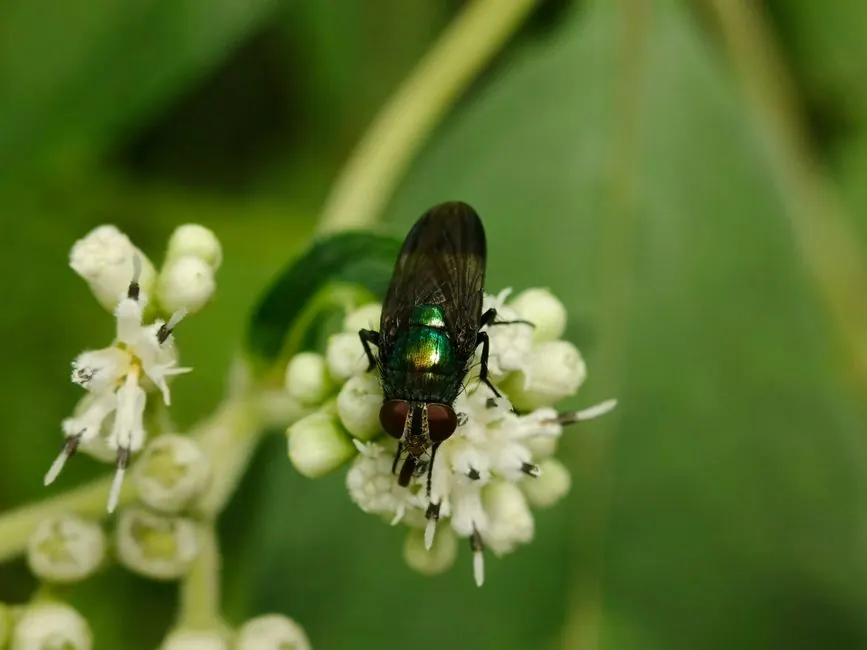
To distinguish boxelder bugs from cluster flies in Minnesota, focus on their physical characteristics and behaviors. Boxelder bugs are typically black with orange or red markings, while cluster flies are gray with golden hairs. This guide will delve deeper into how to identify these pests and what to do if you find them in your home.
Distinguishing boxelder bugs from cluster flies in Minnesota is crucial for effective pest management. Understanding their differences helps homeowners take appropriate action, whether it's simple prevention or professional pest control.
What is the Difference Between Boxelder Bugs and Cluster Flies?
The primary difference between boxelder bugs and cluster flies is their appearance and behavior. Boxelder bugs are recognizable by their long, slender bodies and distinctive red-orange markings on a black background. In contrast, cluster flies have a more rounded body covered in fine golden hairs, giving them a fuzzy appearance.
How to Identify Boxelder Bugs in Minnesota
University of Minnesota Extension notes that boxelder bugs commonly gather on sunny, south- and west-facing walls during the fall as they search for protected overwintering sites. To identify boxelder bugs in Minnesota, look for these key features:
- Color: Black with orange or red markings.
- Size: Approximately 1/2 inch long.
- Wings: They have a distinctive flat appearance when resting.
- Behavior: They tend to congregate in large numbers on sunny sides of buildings during the fall.
Boxelder bugs are often found near boxelder trees, which serve as their primary food source. In Minnesota, you might notice them clustering around windows and doors as they seek warmth during the colder months. Homeowners looking for boxelder bug control in Duluth, Eagan, Burnsville & other areas in Minnesota, can benefit from exterior treatments before these insects begin moving indoors in the fall.
Cluster Fly Identification in Minnesota
For cluster fly identification in Minnesota, consider these characteristics:
- Color: Dark gray with golden hairs.
- Size: Slightly larger than boxelder bugs, around 3/8 inch long.
- Wings: They have a more rounded body and are less flat than boxelder bugs.
- Behavior: They are sluggish and tend to invade homes in the fall.
Cluster flies are often found in attics and wall voids, where they seek shelter from the cold. Their presence usually indicates an infestation, as they tend to gather in groups. Seasonal fly invasions are common in many residential neighborhoods, making cluster fly control in Bloomington an effective solution for preventing indoor infestations.
Common Mistakes in Identifying These Pests
Many homeowners confuse boxelder bugs and cluster flies due to their similar habitats and seasonal behaviors. Here are some common mistakes to watch out for:
- Assuming all black bugs are boxelder bugs.
- Ignoring the presence of golden hairs on cluster flies.
- Not considering the time of year; boxelder bugs are more active in the fall.
Misidentifying these pests can lead to ineffective treatments. Proper identification is essential before deciding on a pest control strategy. Before using any pesticide indoors, always read and follow the product label to ensure it is approved for the specific pest and application area.
When to Call a Professional
If you find it challenging to distinguish between boxelder bugs and cluster flies, or if an infestation is overwhelming, it may be time to call a professional. Minnesota Pest Pros offers pest control for boxelder bugs and cluster flies in Minnesota. Our team can help identify the pest and recommend the best course of action. If you decide to use insecticides, selecting products labeled for the target pest and following all label directions helps improve effectiveness while reducing unnecessary exposure.
Frequently Asked Questions
How can I tell if I have boxelder bugs or cluster flies in Minnesota? You can distinguish them by color and size; boxelder bugs are black with orange markings, while cluster flies are gray and fuzzy.
What are the signs of a cluster fly infestation in Minnesota? Signs include finding cluster flies in your attic or walls, especially during the fall, and noticing sluggish flies around windows.
Do boxelder bugs bite in Minnesota? Boxelder bugs do not bite humans; they primarily feed on the sap of boxelder trees.
What attracts cluster flies in Minnesota? Cluster flies are attracted to warm areas in homes, especially attics, as they seek shelter from the cold.